One of the biggest misconceptions in landscape design is that plants are decoration.
Plants are often viewed as something that is added at the end of a project to soften hard landscaping or provide colour. In reality, planting should be considered one of the most important elements of any landscape. A well-designed planting scheme does far more than fill beds or provide seasonal interest.
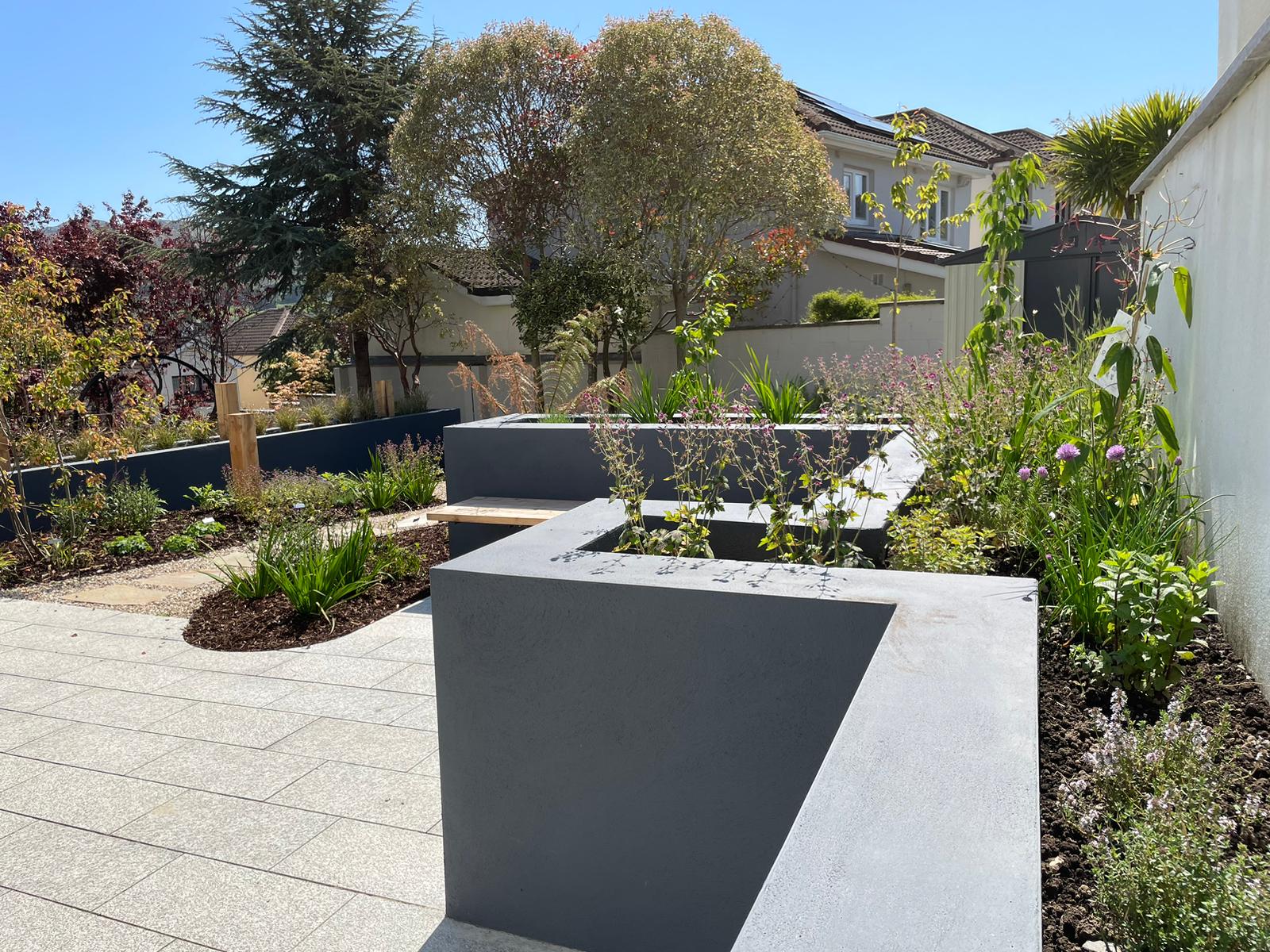
Plants shape how a garden feels. They influence movement, create enclosure, frame views, provide privacy, attract wildlife, and connect people to the changing seasons. A garden with excellent paving but poor planting will often feel incomplete. Conversely, thoughtful planting can elevate even the simplest landscape.
Successful planting begins with understanding place. Soil conditions, exposure, drainage, aspect, and maintenance requirements all play a role in determining what will thrive. The best landscapes are not created by forcing plants into unsuitable conditions but by selecting species that are naturally suited to the site.
Planting should also be designed to evolve over time. Unlike hard materials, plants grow, mature, and change. This dynamic quality is one of their greatest strengths. A garden should become more beautiful as it ages, not less.
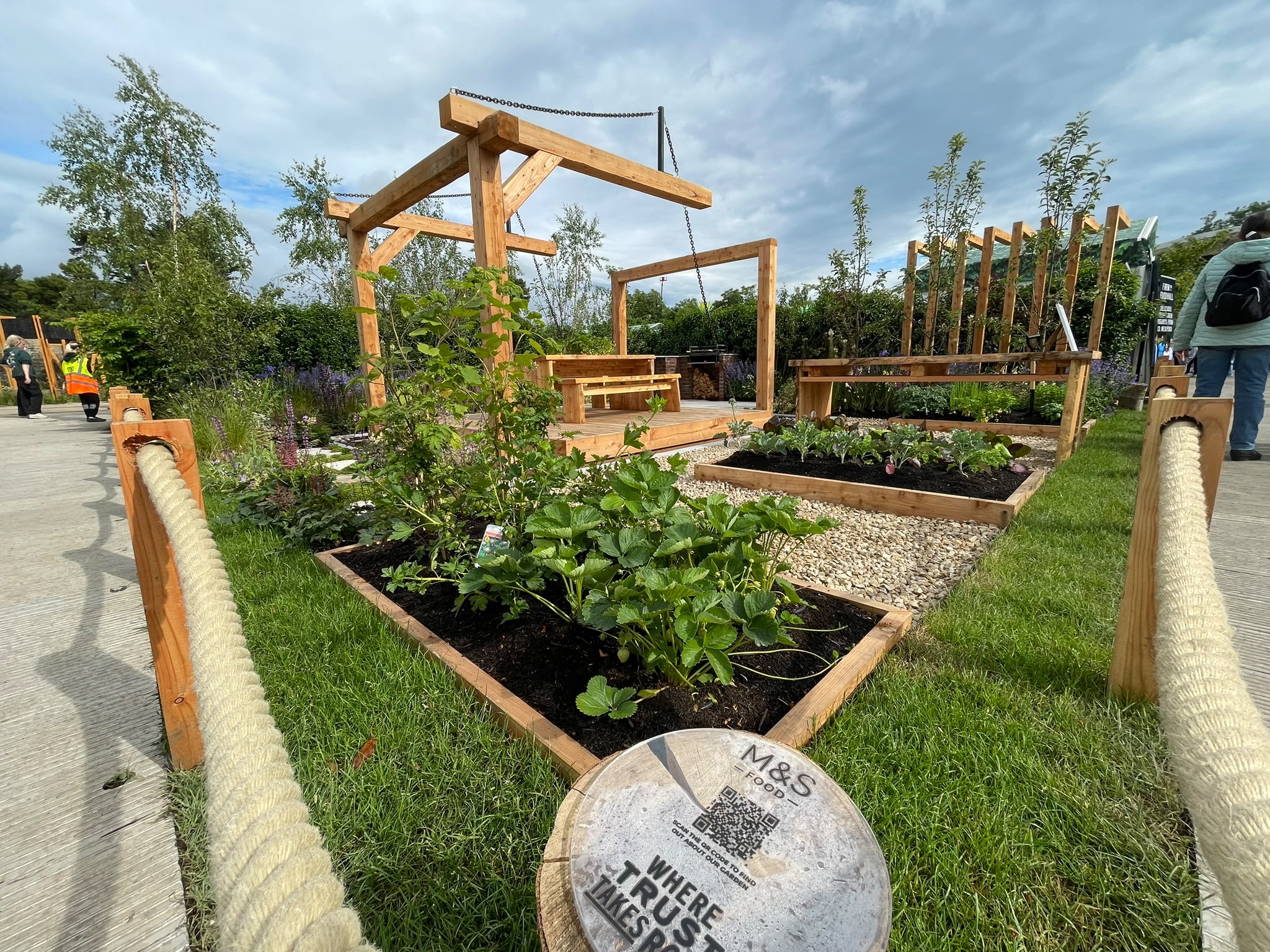
In our work, we believe every plant should contribute to the life of a place. Whether creating habitat, providing food, marking the seasons, or influencing how a space is experienced, planting should always serve a purpose.
When viewed in this way, plants stop being decoration and become the foundation of meaningful landscape design.